metadata_stressor HDL Worker
Application worker HDL implementation with a settable runtime configuration parameter for component port data width.
Detail
The metadata stressor HDL worker has four modes that control its primary operation:
bypass, data, metadata, and full. The mode property is used to establish the mode.
In bypass mode, the HDL worker passes through the data and metadata it receives without change.
In data mode, the HDL worker passes through the
metadata associated with a message unchanged, but the data will be withheld based on
the duty cycle or lfsr, imitating data starvation for the unit under test.
(If the enable_take_lsfr property is not set to true or the
take_duty property is not set to greater than 1,
the worker will set the duty cycle to 5.)
In metadata mode, the HDL worker passes through the data (not intentionally withholding any data) but manipulates the metadata in the following ways:
Early start of message (SOM), data, late end of message (EOM)
Early SOM, data, EOM with data
SOM with data, data, late EOM
SOM with data, data, EOM with data, (single-word message if that is what is received)
Zero-length message (if the
allow_zlmsproperty istrue)
It repeats those patterns so long as there is data.
In full mode, the HDL worker combines data and metadata modes, manipulating
both the metadata and starving the unit under test of data.
Do not use data mode and the allow_zlms property in combination.
Data mode does not allow for manipulation of metadata, so
zero-length messages cannot be inserted. Enabling both does
not cause a failure, but one behavior
will preclude the expression of the other.
The following figure shows a block diagram representation of the HDL implementation:
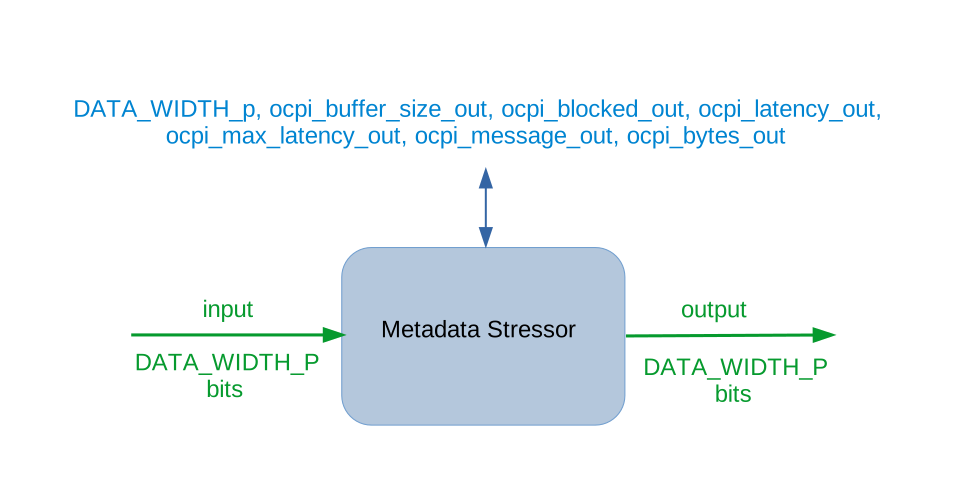
Figure 6: Metadata Stressor HDL Worker Block Diagram
Worker Properties
DATA_WIDTH_pType:
ulongAccess:
Parameter:
TrueWritable:
FalseInitial:
FalseVolatile:
FalseRead back:
False
Default value:
None
ocpi_buffer_size_outType:
ushortAccess:
Parameter:
FalseWritable:
FalseInitial:
TrueVolatile:
FalseRead back:
False
Default value:
0
ocpi_blocked_outType:
ulongAccess:
Parameter:
FalseWritable:
FalseInitial:
FalseVolatile:
TrueRead back:
False
Default value:
None
ocpi_max_latency_outType:
ushortAccess:
Parameter:
TrueWritable:
FalseInitial:
FalseVolatile:
FalseRead back:
False
Default value:
None
ocpi_latency_outType:
ushortAccess:
Parameter:
FalseWritable:
FalseInitial:
FalseVolatile:
TrueRead back:
False
Default value:
None
ocpi_messages_outType:
ulongAccess:
Parameter:
FalseWritable:
FalseInitial:
FalseVolatile:
TrueRead back:
False
Default value:
None
ocpi_bytes_outType:
ulongAccess:
Parameter:
FalseWritable:
FalseInitial:
FalseVolatile:
TrueRead back:
False
Default value:
None
Worker Ports
in: Size defined byDATA_WIDTH_p.Protocol:
NoneOptional:
False
out: Size defined byDATA_WIDTH_p.Protocol:
NoneOptional:
False
Inputs:
Outputs:
Finite State Machine
The following figure shows an abbreviated representation of the primary finite state machine implemented in the HDL version of the metadata stressor component.
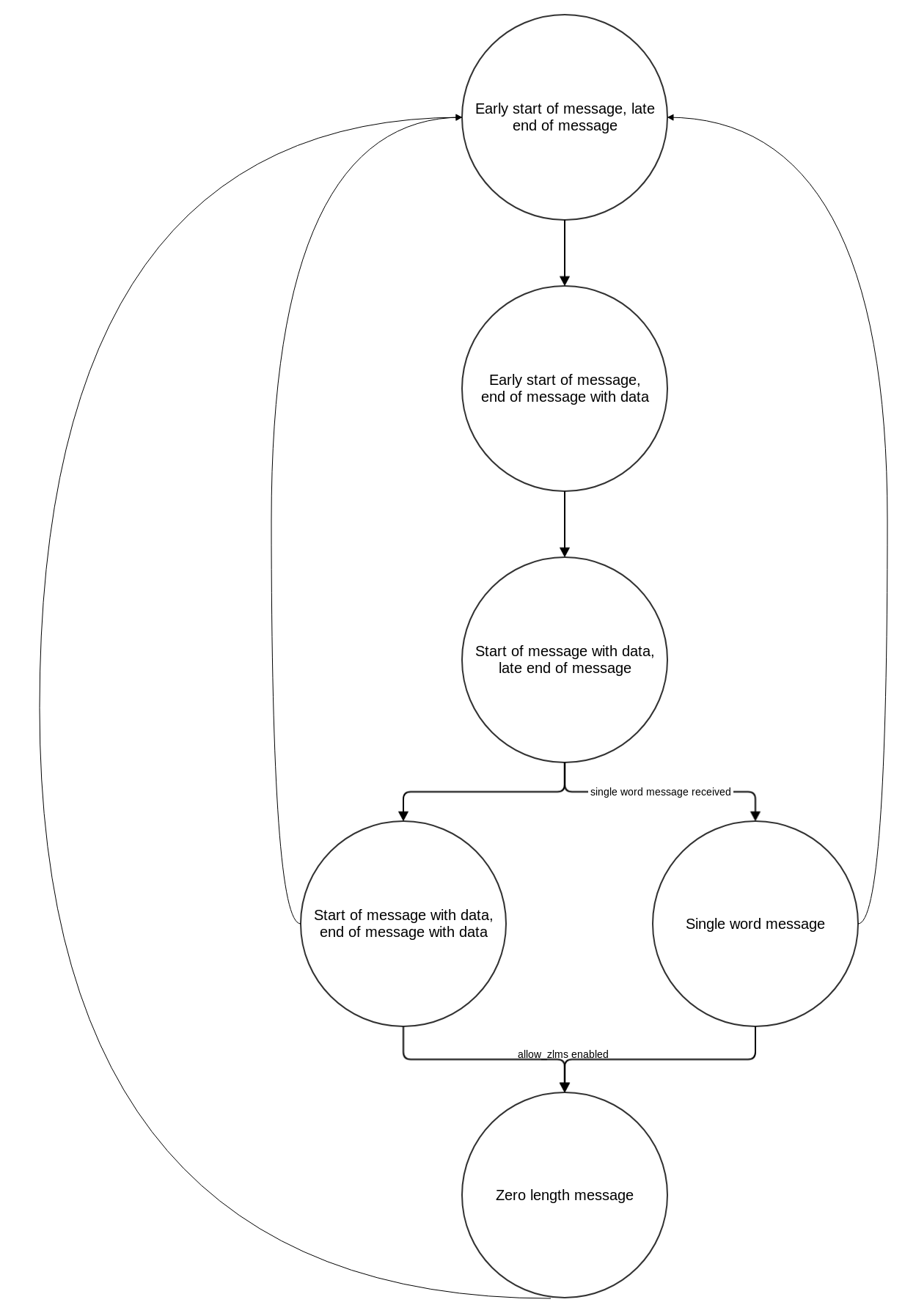
Figure 7: Metadata Stressor HDL Worker Finite State Machine
Control Timing and Signals
The metadata stressor HDL worker implementation uses the clock from the control plane and standard control plane signals.